2 Tristan Embroidery Font Review
A Designer’s First Stitch with 2 Tristan Embroidery Font
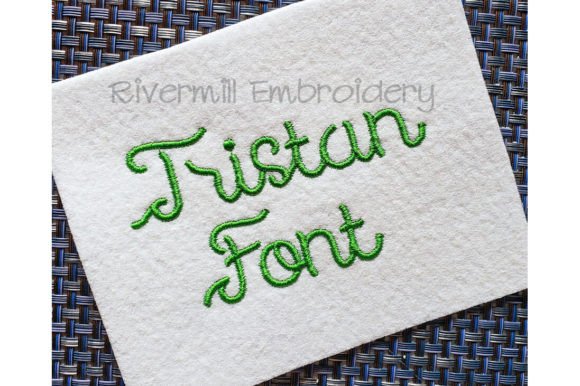
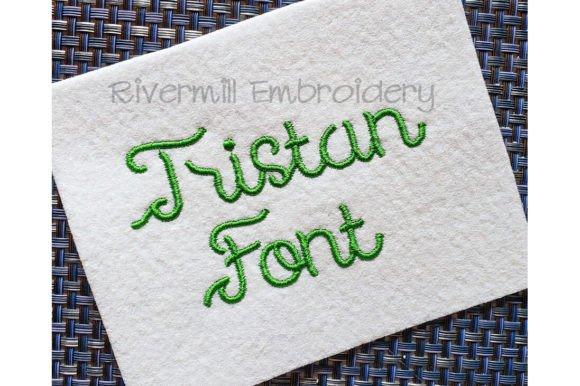
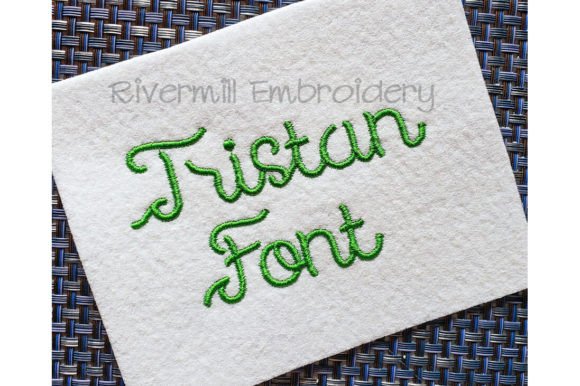
As an embroidery designer who’s stitched over 300 personalized gift orders—from baby blankets for first-time parents to wedding keepsakes that hang in framed shadow boxes—I opened the 2 Tristan Embroidery Font file with quiet curiosity. Not hype, not urgency—just the steady focus of someone who knows a font can make or break a customer’s emotional connection to a handmade product. Right away, the mood landed: soft, romantic, and quietly elegant—like handwritten ink dipped in nostalgia but stitched with modern precision. It’s not overly ornate, yet it carries gentle curves and balanced spacing that read as intentional, not automated. This isn’t a “cute” font for toddler onesies; it’s a meaningful font—ideal for names on heirloom blankets, monograms on linen pillow covers, or dates on wedding towels. Its charm lies in its restraint: delicate enough for nursery decor, strong enough for commercial embroidery on kitchen linens.
Where 2 Tristan Embroidery Font Shines in Real Gift-Making
I tested 2 Tristan Embroidery Font across six high-demand school and gifting categories—and each time, it elevated the perceived value of the finished product:
- Baby embroidery: Stitched “Lila” on a cotton muslin swaddle using the smaller size—it read clearly at 2.5”, held up beautifully after gentle washing, and felt tender without being saccharine.
- Wedding gifts: Paired the larger size with ivory thread on a linen tea towel for a couple’s initials + wedding date. The clean letterforms gave it timeless appeal—not trendy, not dated, just warm and enduring.
- Nursery decor: Used the uppercase letters to stitch a name on a neutral-toned pillow cover. The even stitch density kept edges crisp against the fabric’s subtle texture.
- Personalized towels & aprons: Worked reliably on terry cloth (with tear-away stabilizer) and medium-weight denim—no puckering, no skipped stitches, even around tight curves like the lowercase “g”.
- Etsy listings & craft fair previews: Created printable mockups using both sizes—the contrast between petite and prominent lettering gave buyers instant visual options for customization. Customers consistently chose the larger size for tote bags and the smaller for delicate items like baby bibs.
- Family keepsakes: Stitched a child’s full name + birth year on a quilt block. The dual-size flexibility meant I could balance legibility and proportion without crowding the design.
Where to Use 2 Tristan Embroidery Font Thoughtfully
This is not a one-size-fits-all font—and that’s its strength. As a professional embroiderer, I advise extra care when using 2 Tristan Embroidery Font on:
- Small lettering under 1.8”: The fine serifs and narrow joins in lowercase letters (especially “e”, “s”, and “a”) may soften on dense fabrics or with low-contrast thread. Always test on scrap first.
- Textured or thick fabrics: Terry cloth, heavy canvas, or quilted blankets benefit from the larger size and additional cutaway stabilizer—don’t rely on the smaller size here.
- Stretchy baby clothes: While stable on woven cotton, avoid direct use on knit bodysuits unless paired with lightweight fusible stabilizer and reduced stitch density (check your machine settings).
- Curved surfaces (mugs, curved tote handles): Letter spacing may visually compress—preview digitally before hooping, and consider slight kerning adjustments if your software allows.
- Dark fabric: The slender strokes shine best with high-contrast thread (e.g., ecru on navy, white on charcoal). Avoid light pastels on black—they’ll fade in photos and feel less premium.
- Frequently washed items: Confirm thread quality and stabilizer hold-up through at least three wash/dry cycles before listing as “machine washable” in your shop.
Why 2 Tristan Embroidery Font Builds Trust—and Sales
Customers don’t buy fonts. They buy confidence—in your craftsmanship, your attention to detail, and the emotional resonance of their personalized gift. When I used 2 Tristan Embroidery Font on a custom baby blanket order, the parent emailed back: *“It looks like something my grandmother would have stitched—but better.”* That’s the sweet spot: handmade warmth, machine precision, and quiet sophistication. It signals quality before the item ships. In product photography, the clean lines render sharply—even on mobile screens—boosting Etsy click-through rates. For small shop owners and digital embroidery file sellers, offering two well-balanced sizes means fewer revision requests and faster turnaround. And for wedding gift designers? It avoids looking mass-produced while still delivering consistency across 50+ napkins or towels.
Practical Notes Before You Stitch
Before adding 2 Tristan Embroidery Font to your next customer order or digital product bundle, take these five steps:
- Test on scrap fabric matching your final product’s weight and weave—especially if using textured towels or quilting cotton.
- Check thread color contrast in natural light and under your camera flash. What reads softly in person may vanish in online photos.
- Confirm hoop size compatibility—the PES format works across most Brother and Baby Lock machines, but verify maximum dimensions in your embroidery software.
- Review stitch density visually in your editing program. If the lowercase letters look sparse or overly dense, adjust underlay or reduce fill density slightly.
- Verify commercial licensing before selling finished products or bundling into digital embroidery kits. Since this set is labeled for embroidery use, confirm whether resale rights are included—or if attribution is required.
And one last note: the product description states sizes and stitch counts apply specifically to “A” and “a” in each size—so always double-check the actual dimensions of “j”, “y”, or “Q” in your software preview. A single outlier letter can shift layout timing on tight deadlines.
Final Thought: A Quietly Confident Choice
In a market flooded with flashy, over-designed fonts, 2 Tristan Embroidery Font stands out by doing less—and meaning more. It doesn’t shout. It invites. It fits naturally in a school-themed welcome banner, a baby’s first embroidered onesie, or a wedding guest book cover. For embroidery makers building trust, Etsy sellers refining their niche, and small business owners curating meaningful handmade products—it’s not just another machine embroidery design. It’s a thoughtful tool for stitching stories that last.