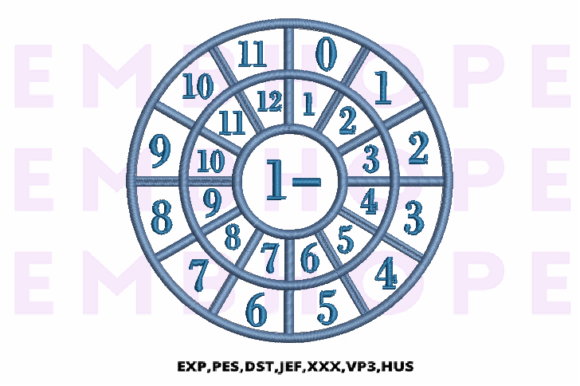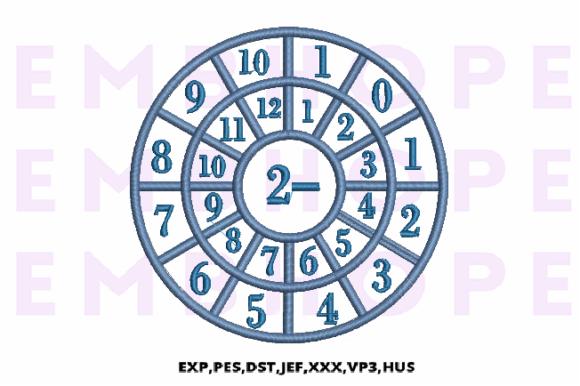
Minus Wheel 2 — Bright, Cheerful Math Fun
First Impression: Playful Classroom Energy Meets Craft Fair Charm
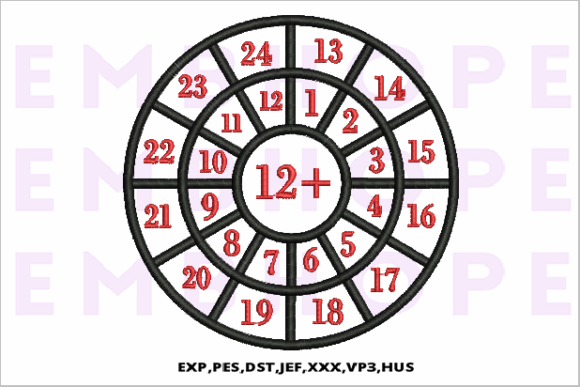
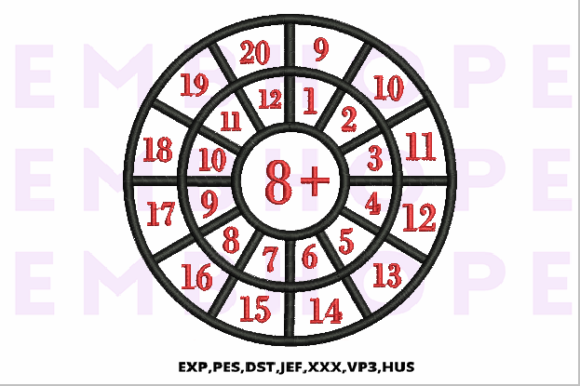
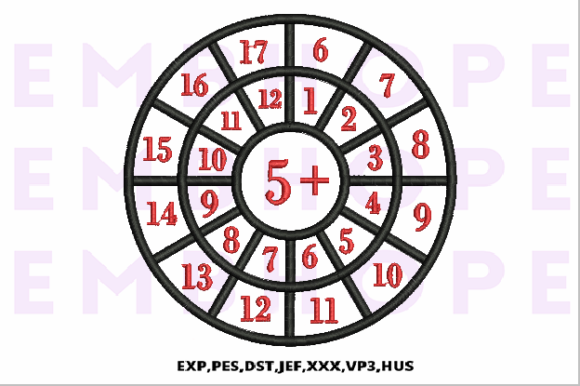
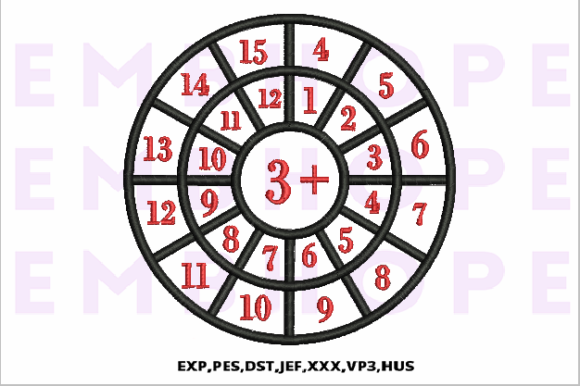
Right off the bat, Minus Wheel 2 — lands as bright, cheerful, and intentionally kid-friendly—no doubt shaped for the School category, but with serious crossover appeal for craft fair sellers. It’s not minimalist or rustic—it’s joyful, bold in spirit, and visually approachable. Think primary-color energy meets clean educational design. That “cheery” descriptor in the product description isn’t marketing fluff; it signals a design that reads instantly at booth distance, especially beside quieter botanicals or monogrammed pieces. For handmade market shoppers scanning for personality, warmth, and purpose, Minus Wheel 2 — stands out—not as “cute,” but as *engaging*. That’s gold when your tote bag display competes with ten other vendors.
Where It Shines: Product-by-Product Reality Check
Tote bags: A natural home. Embroidered front-and-center on a natural canvas or denim tote, Minus Wheel 2 — reads clearly from six feet away—and invites conversation (“Oh, my third grader loves subtraction wheels!”). Keep it medium-scale (4–5 inches wide) to balance legibility and fabric real estate.
Aprons and tea towel embroidery: Works beautifully on both—but with caveats. On lightweight cotton aprons? Perfect. On thick, textured tea towels? Test stitch density first. Dense fill areas may flatten or bleed into terry loops. Opt for simplified versions or outline-only interpretations if texture overwhelms detail.
Embroidered patches and fabric pouches: Ideal scale. As a sew-on patch, Minus Wheel 2 — becomes an instant classroom-themed accessory—great for back-to-school bundles or teacher gift sets. On small zip pouches (6" x 4"), it anchors the front without crowding.
Caps and curved surfaces: Proceed with caution. The wheel motif implies symmetry, but tight curves distort circular elements. Avoid full-front cap placement unless you’ve confirmed hoop compatibility and stabilizer support. Better as a side-embroidered accent or on structured trucker caps with flatter panels.
Pillow covers and market bags: Strong visual impact—especially on linen-cotton blends. Here, Minus Wheel 2 — reads as intentional decor, not just “kid stuff.” Pair with coordinating numerals or chalkboard-style fonts for cohesive booth storytelling.
Etsy listings and printable mockups: Highly photogenic. Its balanced composition and clear negative/positive space translate well to digital thumbnails. Use warm, natural lighting in mockups—avoid over-editing—to preserve its handmade authenticity.
Production Practicality: What Sells vs. What Slows You Down
Minus Wheel 2 — is inherently batch-friendly: symmetrical, scalable, and conceptually repeatable across colorways and products. But don’t assume it’s plug-and-play. That “bright and cheery” vibe depends heavily on thread colors and contrast. On dark fabric? Small numerals or thin minus signs may vanish—test with high-visibility threads like neon yellow or white-on-navy. Tiny details (e.g., inner wheel markings or fine numerals) demand sharp digitizing; if your machine embroidery design file skimps here, clarity suffers at 3-inch sizes.
Stitch density is likely moderate—but verify. Overly dense fills increase hooping time and thread breaks during craft fair prep marathons. And remember: “They look great embroidered throughout the classroom” suggests versatility, not durability. This isn’t a heavy-duty commercial embroidery file built for 500+ wash cycles—position it honestly as a handmade product, not industrial gear.
Craft Fair Booth Strategy: Attention, Value & Repeat Buyers
In person, Minus Wheel 2 — performs best when paired with intention—not isolation. Display it on a math-themed tote next to a chalk-printed tea towel and a set of embroidered flashcard patches. That tells a story: learning, play, and everyday joy. It lifts perceived value because it feels *useful*, not just decorative—a subtle win for price-sensitive buyers comparing $28 totes.
It strengthens brand consistency if your shop leans into education, growth mindset, or playful learning. For Etsy sellers, it slots cleanly into back-to-school, teacher appreciation, and homeschool niches—categories with strong Q3–Q4 momentum. And yes, it encourages engagement: parents point, teachers pause, kids ask questions. That moment of connection? That’s your craft fair ROI.
Critical Designer Notes Before You Hoop
- Always test on scrap fabric—especially with textured towels or thick twills. Watch for puckering or skipped stitches around the wheel’s outer edge.
- Check thread contrast on every base fabric you plan to use. Light threads on light fabric? Run a quick photo test under booth lighting.
- Review spacing and proportions in your embroidery software. Does the minus sign hold weight next to numerals? Does the wheel feel balanced—or lopsided at 3.5 inches?
- Confirm hoop size and stabilizer needs. If the design requires a 6" x 10" hoop but your machine maxes at 5" x 7", resizing may compromise integrity.
- Create at least one real mockup—not just a digital preview. See how it feels stitched, how it drapes, how it photographs in natural light.
- Compare fabric colors side-by-side. A cheerful yellow thread can read muddy on oatmeal linen—swatch first.
- Verify commercial licensing before selling finished products. This is a digital embroidery file; resale rights aren’t automatic.
Final Thought: A Design That Teaches—and Sells
Minus Wheel 2 — isn’t just another embroidery file. It’s a conversation starter, a niche anchor, and a smart craft fair product for makers who understand that education-themed goods resonate far beyond classrooms. When executed with attention to fabric, thread, and context, it elevates simple items into meaningful small shop products. It doesn’t shout—but it smiles, invites, and delivers. And in a crowded market, that quiet confidence often sells first.