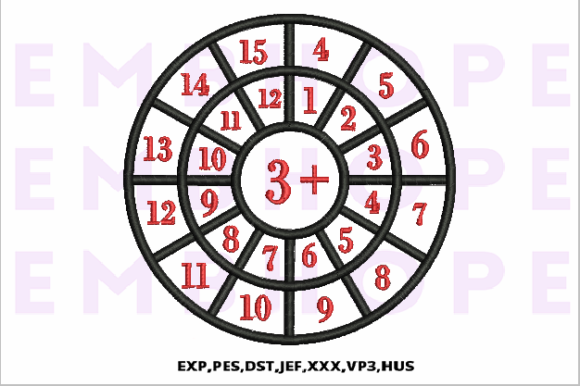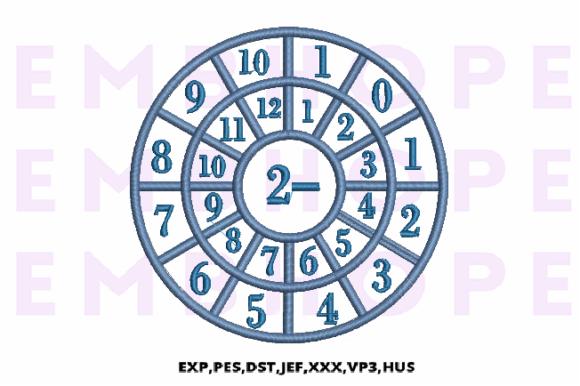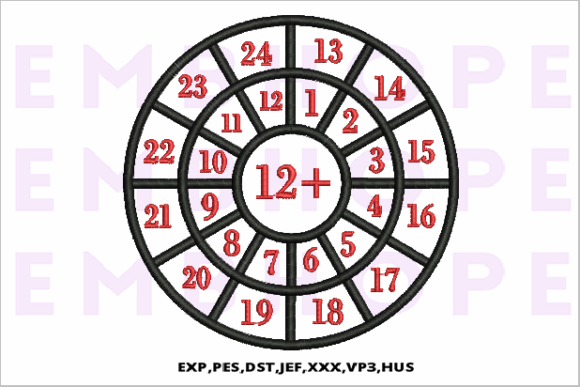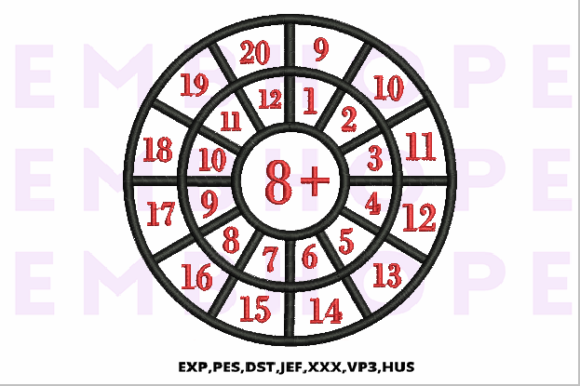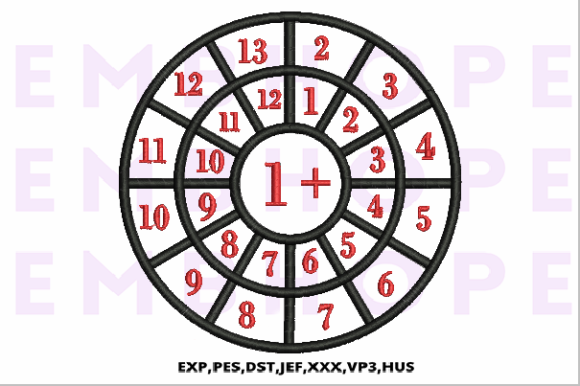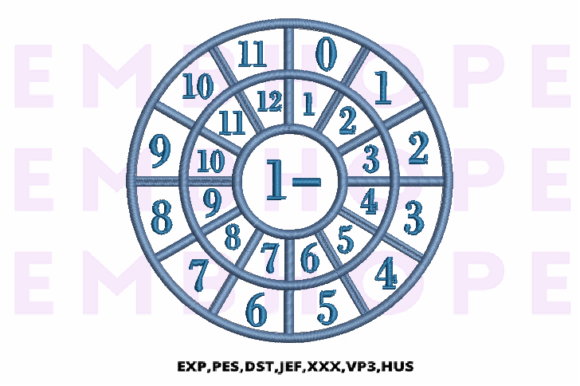
Minus Wheels 1 — Playful Math Charm for Personalized Gifts
A Designer’s First Look: Bright, Cheerful, and Surprisingly Versatile
As an embroidery designer who’s tested hundreds of digital embroidery files for baby shops, wedding studios, and Etsy sellers, I’ll be honest — Minus Wheels 1 - caught me off guard in the best way. It’s not fussy or overly technical; it’s bright, cheery, and radiates that warm, handmade energy parents and educators instantly recognize. The mood is undeniably playful — think kindergarten chalkboards meets modern nursery wall art. There’s a gentle whimsy in the wheel shapes and number layout, but no cutesy clutter. It feels intentional, joyful, and quietly educational — exactly what makes a personalized gift memorable.
Where This Design Truly Shines (and Who’ll Love It)
Minus Wheels 1 - isn’t just for classrooms — it’s a quiet powerhouse for heartfelt personalization. Imagine it stitched onto a soft organic cotton baby blanket, centered above a newborn’s name: instantly transforms a practical item into a cherished family keepsake. For wedding gifts, pair it with a minimalist monogram on a linen kitchen towel — subtle, clever, and full of personality for the couple who geek out over puzzles or coffee-table math books.
It works beautifully on pillow covers for a child’s learning nook, embroidered tote bags for back-to-school prep, or even aprons for the teacher-turned-baker entrepreneur. Small shop owners will appreciate how easily it elevates a basic product: a plain muslin drawstring bag becomes a thoughtful “first day of kindergarten” gift when Minus Wheels 1 - anchors the front with cheerful thread colors. And for Etsy sellers? This design checks all the boxes — seasonal relevance (back-to-school, holiday learning kits), strong visual appeal in thumbnails, and emotional resonance that drives saves and shares.
Smart Placement Matters: Know Your Fabric & Function
While Minus Wheels 1 - is charming, its effectiveness depends entirely on context. Avoid placing it on stretchy baby onesies — the wheel outlines and number details can distort with wear and washing. Likewise, skip highly textured fabrics like bouclé or thick terry cloth towels unless you’re willing to adjust stitch density and stabilizer strategy. On dense weaves or dark fabric, test contrast carefully: light yellow or mint thread may vanish against charcoal linen without a white underlay.
Curved surfaces — like the rounded edge of a ceramic mug sleeve or a contoured pillow cover — require precise hooping and possibly repositioning mid-stitch. And if your version includes small numerals or fine spokes inside the wheels, avoid sub-3-inch hoop sizes unless you’ve verified clarity at that scale. Always check the actual machine embroidery design file preview — don’t assume readability from a JPEG thumbnail.
Why It Builds Trust — and Turns Browsers Into Buyers
In today’s crowded handmade market, perceived quality is everything. When customers see crisp, balanced stitching from Minus Wheels 1 - on your product photography — say, centered on a cream-colored linen pillow cover with soft teal and buttercup threads — they don’t just see decoration. They see care, consistency, and craftsmanship. That builds trust faster than any description.
For baby embroidery or wedding gift buyers, this design signals thoughtfulness: it’s not generic florals or clichéd quotes — it’s meaningful, gender-neutral, and quietly intelligent. That emotional connection translates directly to engagement: longer site visits, saved listings, and repeat orders. Plus, because it’s rooted in the School category yet flexible enough for home use, it bridges audiences — appealing equally to teachers stocking classroom decor and grandparents ordering heirloom blankets.
Practical Embroidery Notes Every Maker Should Follow
Before stitching your first customer order, treat Minus Wheels 1 - like any high-value digital embroidery file:
- Always test on scrap fabric — especially if using new thread brands or stabilizer combos.
- Confirm hoop size compatibility — some versions may require 5x7" or larger; verify before digitizing adjustments.
- Review stitch density — dense fills on lightweight cotton can cause puckering; consider reducing density by 5–10% for delicate items like swaddle blankets.
- Match stabilizer to fabric texture — tear-away for stable wovens, cut-away for knits, and fusible + tear-away for towels.
- Compare light/dark fabric mockups — stitch identical versions on ivory and navy fabric swatches to assess contrast and thread balance.
- Inspect small details post-stitch — zoom in on wheel spokes and minus signs; tiny elements can vanish or blur if tension or speed isn’t dialed in.
- Verify commercial licensing — since you’re creating a handmade product for resale, ensure your purchase includes rights for commercial embroidery. If unclear, contact the seller before listing on Etsy or your small shop site.
Final Thought: More Than Just a Math Motif
Minus Wheels 1 - succeeds because it doesn’t try to be everything — it’s focused, friendly, and flexible. It’s the kind of custom embroidery detail that makes a customer pause mid-scroll, imagine it on their favorite tote or baby’s first quilt, and click “add to cart.” For embroidery makers building a reputation for quality personalization — whether you’re stitching nursery decor, wedding keepsakes, or classroom-ready Embroidery products — this design is a smart, joyful, and surprisingly strategic addition to your collection. Just remember: let the charm shine through smart execution, not just the file itself.