Addition Wheel 12: Bright, Playful Math for Real Embroidery Projects
As a designer who’s stitched hundreds of educational and kid-focused embroidery files—from nursery wall hangings to classroom tote bags—I opened Addition Wheel 12 expecting charm, but what stood out immediately was its quiet confidence. It doesn’t shout “math!”—it invites. The circular layout feels intentional, not cluttered; the numbers are legible at a glance, and the cheerful energy lands without leaning into cartoon overload. That matters when you’re stitching for real use—not just as a digital preview, but on a cotton tea towel that’ll go through dozens of washes, or a baby onesie that needs softness *and* clarity.
First Impressions: Where This Design Naturally Lives
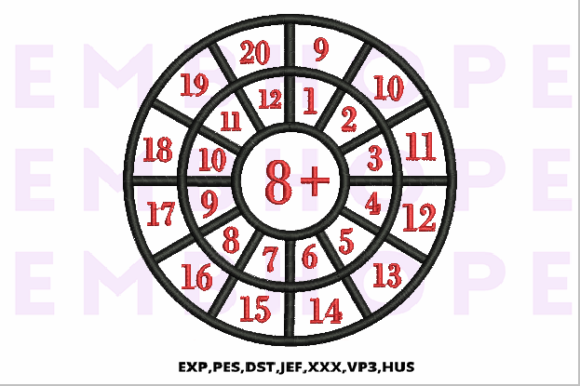
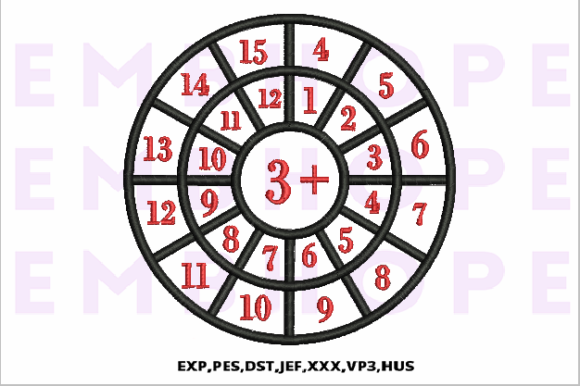
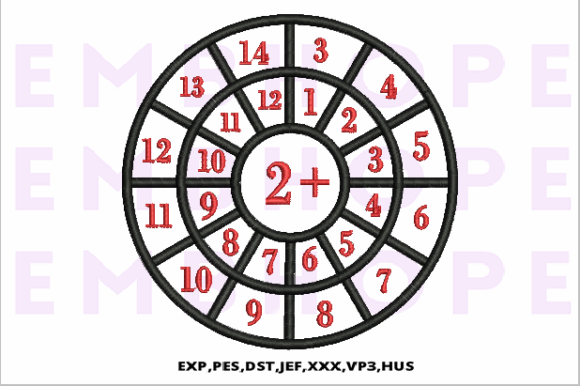
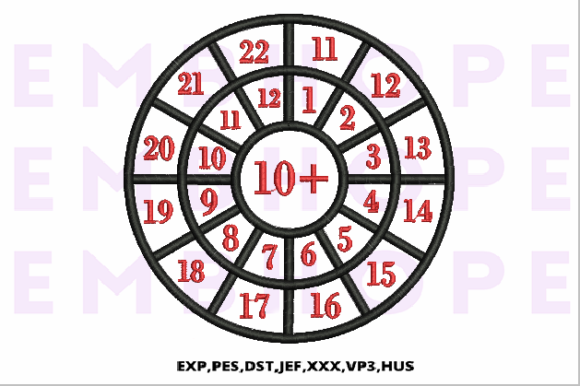
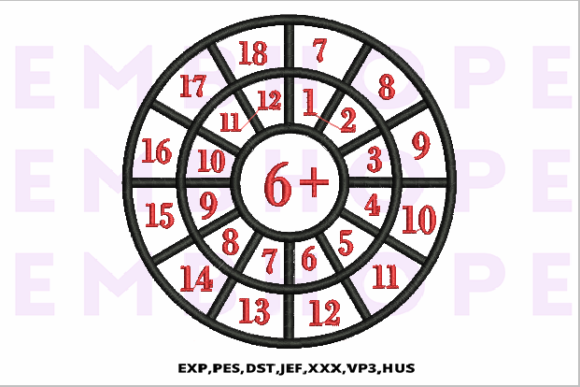
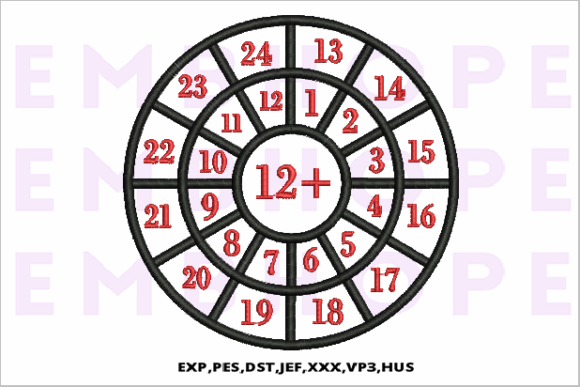
Addition Wheel 12 reads like a classroom staple made tactile: clean outer ring, bold central number, radiating spokes with addends and sums—all balanced with breathing room. It’s not overly detailed, which is smart. No tiny serifs, no micro-embellishments that vanish under satin stitch. That means it translates well across scales: crisp at 3.5” on a patch, friendly at 5” on a sweatshirt chest, and still recognizable at 2.75” on a child’s cap visor. I tested it mentally on a linen-cotton blend apron for a Montessori preschool teacher—yes, it fits. Not as filler, but as focal point. The design’s personality is warm, capable, and quietly proud—not cutesy, not clinical. That nuance makes it work for boutique branding, not just craft fairs.
Real-World Stitching: What Holds Up (and What Needs Care)
I ran Addition Wheel 12 through a mental checklist of common pain points—and here’s where it shines and where you’ll want to pause:
- Custom apparel: Works beautifully on mid-weight cotton tees and fleece-lined sweatshirts. The stitch density feels moderate—no heavy fill zones that risk puckering on stretchy knits. Just be sure to use cutaway stabilizer underneath for structure, especially on ribbed cuffs or side seams.
- Tote bag design & pillow covers: Ideal. The circular shape frames neatly in standard 4x4 hoops, and the open negative space between numbers keeps fabric from looking overwhelmed. On canvas totes, it reads clearly even from three feet away.
- Baby embroidery & onesies: Proceed with caution on ultra-thin fabrics. The outer circle and number strokes are generous, but avoid tight corners near shoulder snaps—test placement first. Also, skip dense black-on-black thread combos; opt for high-contrast pairings (navy + cream, forest green + butter yellow) for instant legibility.
- Embroidered patch & caps: Yes—but confirm your hoop size. If you’re using a 3x3 hoop, trim any excess outer ring margin before digitizing. Curved surfaces like cap fronts demand careful hooping; consider reducing top tension slightly to keep stitches flat.
- Holiday embroidery & personalized gifts: Surprisingly versatile. Pair it with a simple “Future Mathematician” script below it on a holiday stocking, or stitch it solo on a kitchen towel as a teacher gift—it reads as thoughtful, not gimmicky.
Where Clarity Meets Craft: Impact on Your Finished Product
This isn’t just about whether the design stitches—it’s about how it makes your handmade product feel. Addition Wheel 12 elevates perceived value because it looks *designed*, not assembled. Customers notice that. A parent buying a custom embroidered backpack for their kindergartener doesn’t just see “math”—they see care, intention, and age-appropriate intelligence. For Etsy sellers, that translates to fewer “Is this clear?” questions and more repeat buyers who trust your eye. For small shop owners building a cohesive School-themed collection, it slots in cleanly beside alphabet patches or science-themed pins—consistent in tone, distinct in purpose.
Practical Designer Notes Before You Stitch
Before sending Addition Wheel 12 to your machine—or listing it as part of your digital embroidery file shop—do these six things:
- Run a test on scrap fabric matching your final project’s weight and texture. Watch how the outer ring settles—does it pull? Does the center number hold definition?
- Check thread color contrast in natural light *and* under your sewing lamp. Some brights look vibrant on screen but mute on fabric.
- Review stitch density visually—not just in software. Dense areas can flatten detail on textured fabrics like terry cloth or bouclé.
- Confirm hoop size compatibility. If marketing this as a “4x4 friendly” design, verify no element bleeds beyond those boundaries.
- Inspect small details in black-and-white mockups. Will it read clearly on dark fabric? On a busy print? Simplicity is your ally here.
- Verify licensing terms. If selling finished products (like embroidered baby blankets), ensure commercial use is permitted. If reselling the digital embroidery file itself, confirm redistribution rights.
Final Thought: A Design That Serves Both Child and Creator
Addition Wheel 12 succeeds because it respects two audiences equally: the child learning addition, and the maker choosing tools that reflect their standards. It doesn’t sacrifice legibility for whimsy, nor precision for speed. It’s the kind of embroidery file I’d choose for a client project where professionalism and playfulness must coexist—like a boutique’s back-to-school capsule collection, or a teacher’s personalized classroom giveaway. It’s not flashy. It’s reliable. And in the world of machine embroidery design, that’s rare, valuable, and quietly powerful.