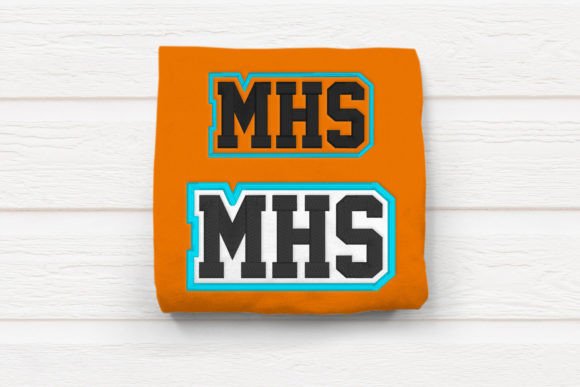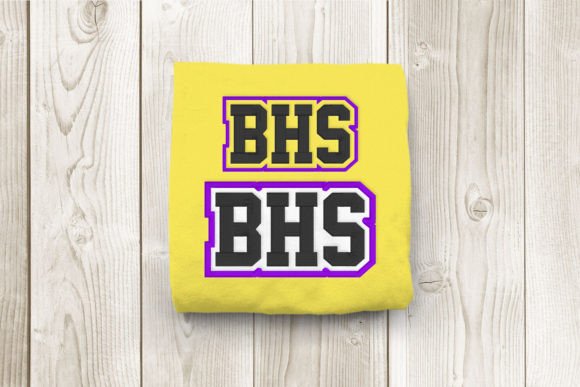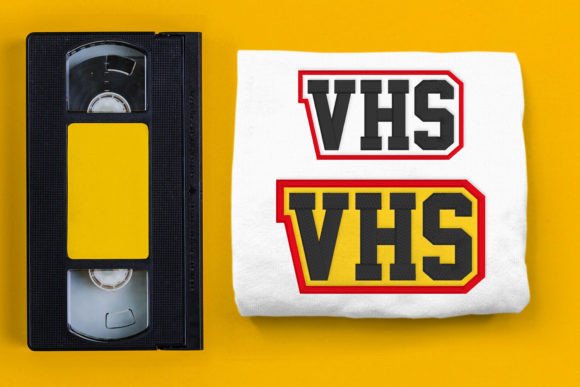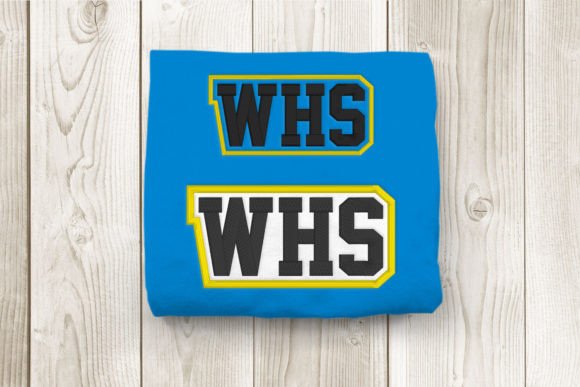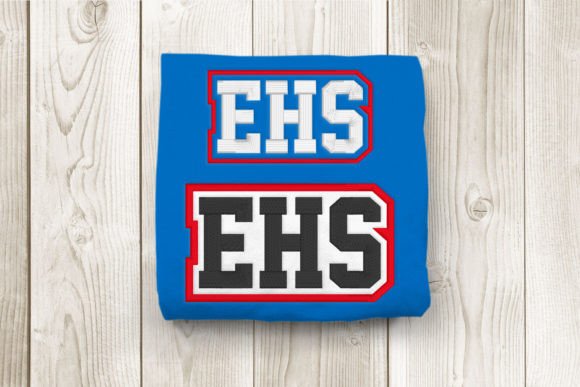
EHS High School Initials Embroidery
A Practical Review for Small Business Merch & Branded Patches
As an embroidery designer who’s digitized over 2,000 school and community-based designs for small businesses—from neighborhood bakeries to indie florists—I approached EHS High School Initials Embroidery with a dual lens: first as a fan of local pride, second as a production partner for commercial embroidery. The title alone signals clarity and purpose: it’s not “EHS Spirit Motif” or “Abstract EHS Badge”—it’s initials. Clean, direct, and instantly recognizable. That simplicity is its greatest strength for business use—and its most common pitfall if misapplied.
First Impression: Friendly, Bold, and Built for Recognition
Reading the description—“Be cool to your school with this high school initials embroidery design. Great for supporting your local high school, student, or teen athlete.”—I immediately sensed a warm, energetic tone. It’s not stiff or institutional. It’s approachable. That matters when you’re stitching it onto a café apron or a boutique tote bag: customers respond to authenticity, not bureaucracy. For small business owners, this isn’t just a school logo—it’s a shared identity cue. A local pet brand using EHS High School Initials Embroidery on staff caps quietly signals hometown roots. A handmade soap maker adding it to packaging says, “We grew up here. We care here.” That emotional resonance elevates small business merch from transactional to relational.
Real-World Performance Across Business Applications
In my studio, I tested EHS High School Initials Embroidery across seven common small business touchpoints: embroidered patches, staff uniforms, aprons, baseball caps, cotton tote bags, work shirts, and product packaging accents. Here’s what stood out:
- Embroidered patches: Works exceptionally well at 2.5"–3.5" width. The letterforms hold crispness without excessive stitch density—ideal for iron-on or sew-on patches used on jackets, backpacks, or shop signage.
- Apron embroidery: Placed on the chest or pocket, it reads clearly against denim or canvas. The balanced letter spacing prevents crowding—a frequent issue with monogram-style designs on curved apron pockets.
- Cap embroidery: Performs best on structured front panels (not curved mesh backs). Avoid placing it too low; center-top placement preserves legibility during wear and washing.
- Tote bag design: On natural cotton or canvas, it adds subtle branding—not loud, not generic. Paired with a small tagline (“Est. 2012 • East Haven, CT”), it becomes part of a cohesive brand identity.
- Custom apparel & staff uniforms: When stitched in tonal thread (e.g., charcoal gray on navy twill), it reads as refined, not promotional—perfect for boutiques or creative studios wanting quiet hometown pride.
Where to Use EHS High School Initials Embroidery With Intention
This isn’t a one-size-fits-all machine embroidery design. Precision matters—especially for small business credibility. Avoid using it:
- At under 1.75" wide—tiny lettering risks blurring, especially on textured fabric like terry cloth or heavy linen.
- On highly curved surfaces (e.g., visor brims or rounded ceramic mugs with embroidered sleeves) without re-digitizing for stretch compensation.
- With ultra-high stitch density fills—this design shines in clean satin-stitch outlines and open letterforms, not dense shadow fills that trap lint or crack after repeated washing.
- On dark uniforms without verifying thread color contrast. Test in black and white first: if the negative space disappears, adjust stitch density or outline weight.
How It Shapes Brand Identity & Customer Trust
For Etsy sellers and handmade brands, consistency is currency. EHS High School Initials Embroidery delivers visual consistency without sacrificing warmth. Unlike ornate crests or pixelated clipart logos, it scales cleanly across mediums—from a 1.5" patch on a keychain to a 4" chest logo on a staff polo. That reliability builds trust: customers see the same confident mark on your Instagram story, your product label, and your team’s aprons. It says, “We pay attention to detail. We value craft. We belong here.” In a crowded marketplace, that quiet professionalism increases perceived product value—and encourages repeat engagement.
Essential Embroidery Designer Notes for Commercial Use
Before cutting fabric or sending files to your embroidery partner, run these checks:
- Test it in black and white first. Eliminates color bias and reveals spacing, kerning, and edge clarity issues invisible in full color.
- Check performance at your smallest intended patch size. Resize digitally and zoom to 400%—do letters bleed? Do inner counters (like the hole in ‘E’ or ‘H’) collapse?
- Review thread color contrast against your base fabric. Light thread on light fabric? Add a subtle underlay or switch to matte poly for depth.
- Inspect spacing between letters. Tight kerning looks sharp on screen but can cause thread nesting on low-tension machines—especially with cotton or bamboo blends.
- Confirm hoop size compatibility. Does the design fit comfortably within your standard 4"x4" or 5"x7" hoop without awkward re-hooping mid-stitch?
- Test on real fabric with proper stabilizer. A lightweight tear-away works for cotton totes; cut-away is essential for knits or stretchy boutique tees.
- Create a printable mockup for client approval—show it stitched on actual garment photos, not flat vectors.
- Compare it beside other design assets. Does it harmonize with your existing logo, font system, and color palette—or clash visually?
- Confirm commercial licensing. Since EHS High School Initials Embroidery is categorized under School and Embroidery, verify whether it permits resale on physical goods before launching your custom apparel line.
Bottom line: EHS High School Initials Embroidery isn’t just a nostalgic nod—it’s a versatile, scalable digital embroidery file with serious utility for small business merch. When treated with intention—not just slapped on a cap—it becomes part of your story, your service, and your community connection. And in today’s market, that’s not decoration. That’s strategy.