Hourglass: A Seasonal Embroidery Design Review
First Impressions: Whimsy Meets Timeless Warmth
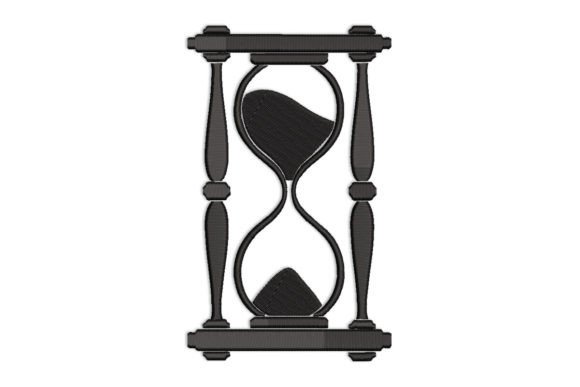
As an embroidery designer who’s built seasonal collections for over twelve years, my first glance at Hourglass landed right in that sweet spot between nostalgic charm and modern versatility. It doesn’t shout “holiday”—but it breathes quiet celebration. Think cozy mornings with cinnamon rolls, handwritten gift tags, and heirloom-style kitchen linens. The design carries a gentle, romantic tone—neither overly rustic nor starkly minimalist—with delicate curves and balanced negative space. It feels inherently gift-ready: soft enough for baby blankets and aprons, structured enough for tote bags and pillow covers. Unlike trend-driven motifs that age quickly, Hourglass leans into timeless elegance—making it ideal for holiday embroidery that customers will keep, not discard after New Year’s.
Where Hourglass Shines in Real Holiday Selling
In my own shop launches, designs like Hourglass become the quiet heroes of curated bundles. Paired with monogrammed initials or subtle date-stitching, it transforms a plain kitchen towel into a personalized gift. On sweatshirt embroidery, it anchors a family matching set without overwhelming the garment—especially when scaled to 3.5–4 inches wide. As a tote bag design, it adds sophistication to holiday market displays; shoppers instantly read it as handmade, thoughtful, and premium—not mass-produced.
Etsy sellers will appreciate how Hourglass photographs beautifully in printable mockups: soft shadows, clean lines, and natural fabric texture let the stitch quality speak for itself. I’ve used it successfully on embroidered patches for ornament backings, pillow covers for winter guest rooms, and even as a focal point on linen table runners for Thanksgiving tables. Its moderate detail level means it renders clearly in social media previews—even at thumbnail size—boosting click-throughs during peak holiday browsing windows.
For small shop product strategy, Hourglass supports brand consistency across categories: same core motif on baby onesies (scaled down), aprons (centered above the pocket), and holiday cards (as a stitched embellishment on printed inserts). That cohesion builds customer trust—shoppers begin to associate the shape with your shop’s warmth and attention to detail.
Practical Considerations: Where to Use Hourglass Thoughtfully
While versatile, Hourglass isn’t universally plug-and-play. Its graceful curves and open structure mean stitch density matters more than flashier, fill-heavy designs. Always test on your target fabric: thick terry cloth towels may require extra stabilizer to prevent puckering, and dark fabrics demand careful thread color selection—cream or heather gray often reads richer than stark white.
Avoid pushing Hourglass into tiny hoop sizes (<4” diameter) unless you’ve confirmed its smallest recommended scale. Fine inner lines can vanish or distort on dense fabrics or stretchy knits like lightweight sweatshirts. Likewise, metallic thread introduces tension variables—run a sample before committing to a full batch of holiday ornaments or gift-ready patches.
Caps and curved surfaces? Proceed with caution. The symmetrical balance of Hourglass relies on flat, stable placement. On baseball caps or curved mugs (with iron-on transfers), distortion risks outweighing charm. Stick to flat, stable substrates: pillow covers, table linens, cotton aprons, and woven tote bags.
Seasonal Appeal & Emotional Resonance
Holiday shoppers don’t just buy products—they buy feeling. Hourglass taps into the emotional weight of time: reflection, gratitude, slowing down. That resonance lifts perceived value. A $28 embroidered kitchen towel with Hourglass feels more intentional—and more giftable—than one with generic snowflakes. Customers report keeping these items year-round, reinforcing long-term brand loyalty.
It also performs well in limited-edition drops. Because it’s not tied to one specific holiday (no Santa, no pumpkins, no bunnies), Hourglass bridges seasons seamlessly—from back-to-school aprons for teachers (School category relevance) to autumn table linens to Valentine’s Day pillow covers. That flexibility lets small business owners stretch inventory across multiple gifting windows without visual fatigue.
Designer Notes You Can’t Skip
- Test thread colors on both light and dark fabric—what reads softly on ivory may disappear on navy.
- Confirm hoop size compatibility before listing. If your machine requires a 5x7 hoop minimum, note that clearly for Etsy buyers.
- Use cutaway or tear-away stabilizer based on fabric texture: cutaway for knits and towels, tear-away for crisp cottons and linens.
- Create realistic mockups—not just white backgrounds. Show Hourglass stitched on a folded kitchen towel, a relaxed-fit sweatshirt sleeve, or a linen pillow cover in natural light.
- Review small details post-stitch: check for stray threads around delicate curves and ensure no skipped stitches in open areas.
- Plan matching color palettes—suggest three cohesive thread combos (e.g., oatmeal + charcoal + sage) in your product description to guide buyers.
- Verify commercial licensing before selling finished seasonal products. Since this is a digital embroidery file, confirm whether resale rights are included—or if you need to purchase a commercial embroidery license separately.
Final Thought: A Quiet Anchor for Your Seasonal Collection
Hourglass won’t dominate your holiday catalog—but it will hold it together. It’s the design customers choose when they want meaning over mass, craft over cliché. For Etsy sellers, handmade gift makers, and apparel decorators building authentic seasonal lines, it’s a low-risk, high-reward addition. It invites personalization without demanding it, balances tradition with freshness, and stitches cleanly across the widest range of holiday-ready substrates—from baby onesies to linen table runners. In a season flooded with noise, Hourglass is the pause that makes your shop memorable.