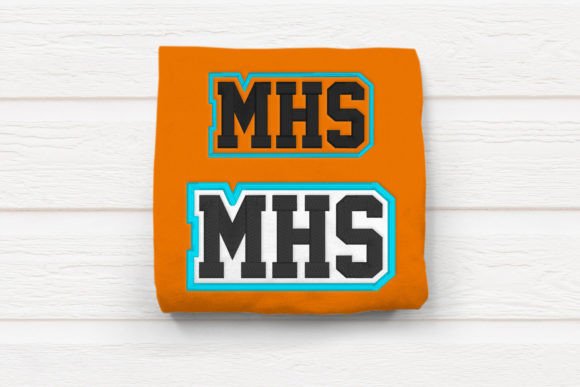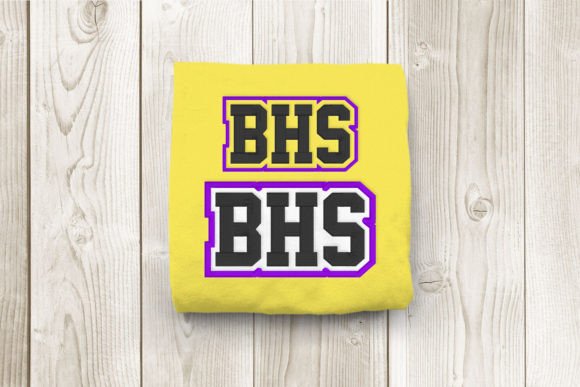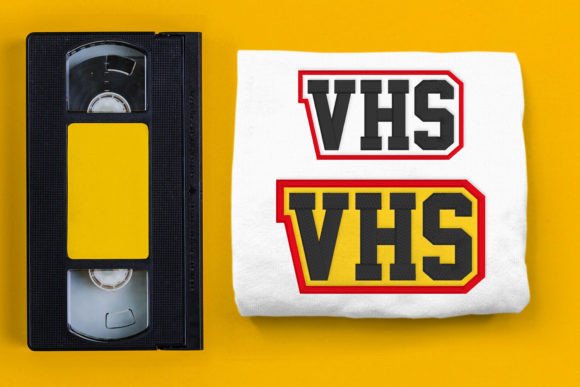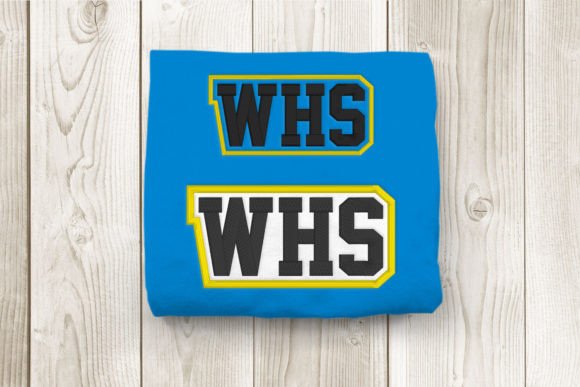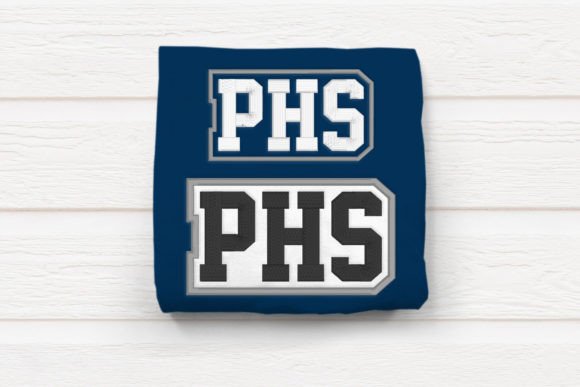
PHS High School Initials Embroidery
A Designer’s First Look: Charm, Clarity, and School Spirit
As an embroidery designer who’s tested hundreds of school-themed files for gift shops and Etsy sellers, I opened PHS High School Initials Embroidery expecting something functional—but what stood out immediately was its quiet confidence. It doesn’t shout; it nods. The design carries a clean, modern school spirit—neither overly playful nor stiffly formal. It feels handmade without looking rustic, classic without feeling dated. There’s warmth in the letter spacing, intention in the stroke weight, and room for personalization that invites emotional connection—not just school pride, but family pride, legacy pride, even future-pride (think baby’s first school tie-in or a grad’s keepsake pillow).
Where This Design Truly Shines: Real-Life Gift Applications
PHS High School Initials Embroidery is unusually versatile across personalized gift categories—especially when you consider how often customers seek meaning over mass production.
- Baby embroidery: Stitched on a soft cotton blanket or knit onesie (with proper stabilizer), it becomes a subtle nod to parental roots—a sweet, grounded alternative to cartoon motifs.
- Wedding gift: On linen pillow covers or monogrammed kitchen towels for the couple’s new home, it quietly honors where one (or both) grew up—ideal for hometown weddings or alumni receptions.
- Nursery decor & family keepsakes: Pair it with neutral thread on organic cotton wall hangings or framed hoop art. It reads as intentional, not generic—perfect for parents who value story-driven design.
- Embroidered towel & apron: Works beautifully on terry cloth (with cutaway stabilizer) and medium-weight cotton canvas. The letterforms hold up well at 3–4 inches wide—ideal for hand towels, beach totes, or chef aprons gifted to student cooks or PHS culinary club grads.
- Etsy listings & craft fair products: Because it’s clean and scalable, it photographs well on mockups—even on textured backgrounds like wood or linen. Buyers instantly recognize its purpose, which boosts click-through and conversion for small shop product listings.
Use With Care: Fabric, Fit, and Functionality Notes
This isn’t a “stitch-and-forget” file—and that’s a good thing. Its thoughtful construction means it rewards attention, but also demands it in certain contexts:
- Small lettering: Avoid scaling below 2 inches wide. Fine serifs or tight curves may lose definition—always test stitch at your intended size.
- Textured fabric: Heavy terry, bouclé, or loosely woven linen can swallow detail. Use medium-density cutaway stabilizer and reduce top tension slightly.
- Stretchy baby clothes: Not ideal for knits unless paired with tear-away + topping and reduced density. Stick to stable cotton blends for infant wear.
- Curved surfaces: Skip baseball caps or curved tote handles—this design assumes a flat, taut embroidery field.
- Dark fabric: Light thread colors (ivory, light gray, school blue) will read clearly—but always run a printable mockup first. Test contrast on black or navy twill before committing to a full run.
- Frequent washing: If stitching for towels or kitchen linens, confirm thread colorfastness and use high-quality polyester thread. Reinforce backstitching at start/end points for longevity.
Why It Builds Trust—and How It Elevates Your Finished Product
Customers don’t buy initials—they buy belonging. When you offer PHS High School Initials Embroidery as part of a curated personalized gift, you’re offering recognition. That matters deeply to teens, parents, alumni, and grandparents alike. In practice, this translates to:
- Higher perceived value: Even on modest items (a $12 tea towel), the clean execution signals care—not just customization, but curation.
- Stronger buyer engagement: Shoppers linger longer on listings that show real-life applications—e.g., “Stitched on a cream linen pillow cover, shown with PHS navy thread.” Include that detail.
- Repeat trust: When a customer gifts a blanket embroidered with PHS High School Initials Embroidery to a newborn, they’re investing in continuity. That builds loyalty far beyond one order.
- Better product photography: Its balanced proportions and clear negative space make it easy to style—no cropping stress, no visual competition with busy patterns.
Practical Embroidery Notes Every Maker Should Confirm
Before stitching your first customer piece—or uploading to your Etsy shop—run through these checks:
- Test on scrap fabric matching your final substrate (terry, linen, cotton poplin, etc.). Note how stabilizer behaves and whether thread nests or skips.
- Verify thread color contrast against both light and dark fabric swatches—not just on screen. What looks crisp on white may disappear on charcoal.
- Confirm hoop size compatibility. Does it fit comfortably in your most-used hoops? If it pushes boundaries, adjust placement or choose alternate hoop orientation.
- Review stitch density. Overly dense fills can cause puckering on lightweight fabrics; too sparse risks fraying on high-wear items like totes. Adjust if needed.
- Use proper stabilizer. Cutaway for stretchy or unstable fabrics; tear-away for stable wovens; fusible + tear-away combo for nap-free results on towels.
- Compare light/dark fabric mockups side-by-side in natural light—not just under studio LEDs.
- Inspect small details post-stitch. Are corners sharp? Are inner curves clean? Trim stray threads before photographing or shipping.
- Confirm commercial licensing. Since this is intended for resale as a handmade product, ensure your purchase includes rights for small-batch commercial embroidery. When in doubt, contact the designer or vendor directly—don’t assume.
Final Thought: A Simple Design With Layers of Meaning
PHS High School Initials Embroidery is more than a machine embroidery design—it’s a quiet bridge between institution and individual, tradition and tenderness. For embroidery makers building trusted brands, gift shop owners curating heartfelt offerings, or Etsy sellers standing out in a crowded handmade market, it’s a thoughtful, adaptable tool. Used intentionally—with attention to fabric, thread, and storytelling—it transforms everyday items into heirlooms. And in today’s marketplace, that’s not just smart embroidery. It’s meaningful commerce.