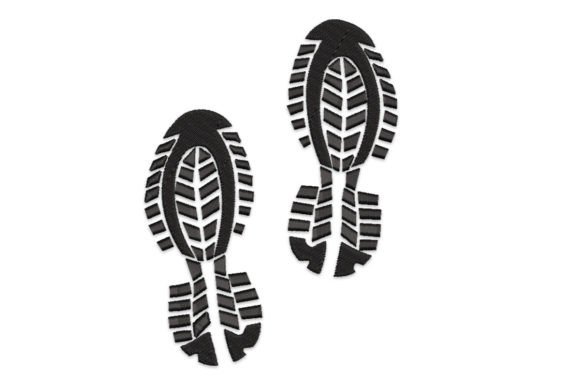
Footprint of Shoe Sole
A Designer’s First Look: Charm, Clarity, and Quiet Meaning
As an embroidery designer who’s stitched thousands of personalized gifts—from newborn onesies to wedding keepsakes—I opened Footprint of Shoe Sole with quiet curiosity. It wasn’t flashy or ornate, but it carried immediate warmth: a clean, recognizable silhouette of a shoe sole, rendered with gentle contour lines and subtle texture hints. It feels handmade—not overly technical, not cartoonish—just honest and tender. That balance is rare. It reads as modern *and* timeless, sweet *without* being saccharine, simple *but not simplistic*. For customers seeking meaning over motif, this design lands softly: a symbol of first steps, shared paths, grounding presence, or even playful individuality. It’s especially resonant in the School category—not for uniforms or logos, but for graduation keepsakes, teacher appreciation gifts, or class memory blankets where “footprint” becomes metaphor.
Where Footprint of Shoe Sole Shines Best
This machine embroidery design thrives where personal connection matters most. Imagine it stitched in soft ecru thread on a 100% cotton baby blanket—tiny, centered, just above the hem. Instant heirloom energy. Or on a linen kitchen towel, paired with a child’s name in clean sans-serif script: a functional yet heartfelt personalized gift that elevates everyday moments. Pillow covers love it—especially in neutral palettes—where its subtle shape adds visual rhythm without overwhelming. Wedding gift designers can use Footprint of Shoe Sole on custom tote bags for bridesmaids (stitched beside monograms), or on muslin pillow inserts tucked into welcome baskets—quietly symbolic, beautifully tactile.
Nursery decor gains grounded charm when it appears on wall hangings or quilted mobiles. Aprons? Yes—especially for bakers or gardeners who appreciate wit and warmth. At craft fairs or on Etsy, it performs well in listings labeled “minimalist baby embroidery,” “modern wedding gift,” or “thoughtful small shop product.” As a digital embroidery file, it’s versatile enough for printable mockups—letting buyers visualize it on towels, blankets, or tote bags before ordering. That clarity builds trust fast.
Use With Intention—Not Everywhere
While adaptable, Footprint of Shoe Sole isn’t universally forgiving. Avoid pairing it with ultra-fine lettering on the same hoop—its clean shape needs breathing room to read clearly. On heavily textured fabric like terry cloth or bouclé, test stitch density first; too many overlapping stitches may blur definition. Thick woven towels demand proper stabilizer backing—skip tear-away alone—and consider slightly reduced stitch density to prevent puckering. Stretchy baby clothes? Proceed with caution: use cutaway stabilizer + light topping, and avoid curved seams where distortion could warp the outline. Dark fabrics require high-contrast thread (e.g., bright white or cream) to preserve legibility—always check a mockup. And for items facing frequent washing—like kitchen towels or baby bibs—confirm thread quality and knot security during your test run.
Why This Design Builds Real Gift Value
Customers don’t buy footprints—they buy stories. Footprint of Shoe Sole invites narrative: a baby’s first shoes, a couple’s shared journey, a graduate stepping forward, a teacher’s lasting impact. That emotional resonance lifts perceived value instantly. A $28 embroidered towel feels like a $45 curated gift because the design feels intentional, not generic. It signals care—not just craftsmanship, but *consideration*. For Etsy sellers and small shop owners, that translates to stronger buyer engagement: longer listing views, more saved items, higher conversion on bundles (“Footprint + Name + Date” sets). In product photography, its clean shape photographs crisply—even on phone cameras—making social media thumbnails pop without filters. And because it avoids trends (no glitter fonts, no seasonal clichés), it stays relevant year after year as a handmade product staple.
Practical Notes Before You Stitch
Before adding Footprint of Shoe Sole to customer orders, do these five things:
- Test on scrap fabric—match your final substrate (e.g., terry, linen, quilting cotton) and stabilizer combo.
- Check thread color contrast on both light and dark fabric swatches—what reads clearly on white may vanish on navy.
- Confirm hoop size compatibility—if your machine uses smaller hoops, verify the design fits without scaling down critical details.
- Review stitch density—if dense, reduce slightly for plush or thick textiles; if sparse, avoid doubling up on delicate weaves.
- Verify commercial licensing—since you’re selling finished products, ensure the embroidery file permits commercial embroidery use. When in doubt, contact the designer or marketplace seller directly.
Also: always use appropriate stabilizer (cutaway for stretch, tear-away for stable wovens, topping for napped surfaces), and inspect small contour lines post-stitch—especially near heel and toe curves—to confirm crispness. If offering custom embroidery, include a note in your listing about fabric recommendations—customers appreciate guidance, and it reduces returns.
Final Thought: A Small Shape With Big Heart
Footprint of Shoe Sole won’t shout from the shelf—but it lingers in the mind. It’s the kind of embroidery design that earns repeat customers because it feels personal without requiring personalization. Whether you’re stitching baby embroidery for a new parent, crafting a wedding gift that honors partnership, or building a line of meaningful School-themed keepsakes, this design offers quiet confidence. It says, *I see your story—and I’ve made space for it.* That’s not just good embroidery. That’s good gifting.