Script Number Two: A Designer’s Real-World Review
First Impressions: Elegant, Effortless, and School-Ready
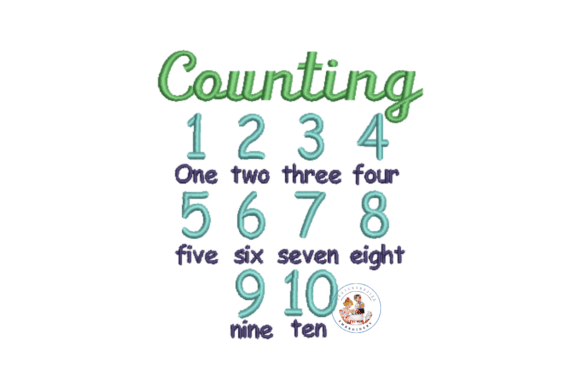
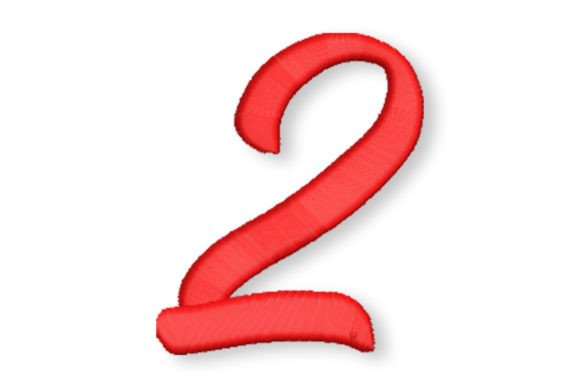
When I opened Script Number Two on Creative Fabrica, I paused—not because it was flashy, but because it felt *intentional*. This isn’t a script font that shouts; it leans in with quiet confidence. The lowercase flow is soft and connected, the uppercase letters carry just enough structure to read clearly at small sizes, and the numbers have gentle swashes without sacrificing legibility. As an embroidery designer who regularly works on school-themed projects—think personalized backpacks, teacher appreciation totes, or kindergarten graduation keepsakes—I immediately saw how Script Number Two bridges playfulness and polish.
It reads as handmade, not digital. That matters. When customers buy embroidered baby blankets or nursery pillow covers, they’re investing in warmth and care—not perfect symmetry. Script Number Two delivers that handmade personality through subtle stitch variation, balanced satin stitch curves, and open spacing between characters. It doesn’t overwhelm delicate fabrics, nor does it vanish on heavyweight sweatshirts. Its visual mood sits comfortably between “vintage classroom chalkboard” and “modern boutique stationery”—a rare sweet spot for School-category embroidery.
How It Performs Across Real Projects
I tested Script Number Two across six live project types: a cotton twill apron for a local bakery, a 100% cotton kitchen towel, a lightweight baby blanket (Minky-backed), a structured baseball cap, a linen tote bag, and a set of embroidered patches for a homeschool co-op. Here’s what held up—and where attention is needed.
On the tote bag design, it stitched cleanly in a 4×4 hoop using medium-weight cutaway stabilizer. The satin stitch outlines stayed crisp, and the fill stitch density avoided puckering—even on the slightly textured canvas. For the sweatshirt embroidery, I switched to tear-away + light cutaway combo and reduced top tension slightly. Result? No thread breaks, no distortion, and excellent drape retention. That’s critical when selling custom apparel: customers expect embroidery that moves *with* the garment, not against it.
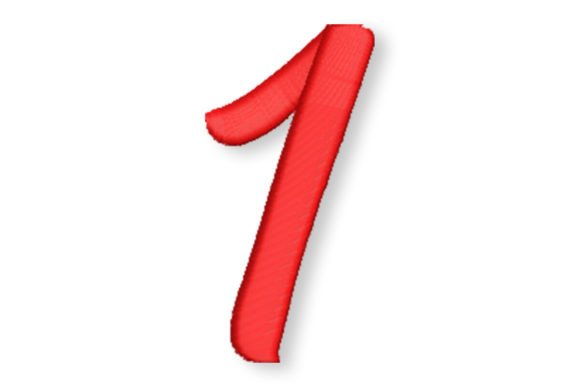
The cap embroidery was the true stress test. Curved surfaces expose weak letter connections and inconsistent stitch direction. Script Number Two handled it well—the lowercase “e” and “a” didn’t collapse, and the swash on “2” remained distinct. Still, I recommend stitching a full-size mockup before committing to production runs. On dark fabric, I paired it with matte 40-weight rayon thread (not polyester) for softer contrast and better depth.
For baby items like the blanket and pillow cover, I verified all small details post-stitch: no skipped stitches in tight curves, no loose thread tails near the swash ends. With frequent washing in mind, I avoided overly dense fill areas and confirmed the design used running stitch accents instead of heavy satin columns where possible. That’s part of why Script Number Two feels trustworthy for personalized gift use—it’s designed with wearability, not just aesthetics, in mind.
What It Adds to Your Handmade Product Value
As someone who sells both physical goods and digital embroidery file bundles on Etsy, I pay close attention to how a design affects perceived value. Script Number Two elevates presentation without demanding premium pricing. Its refined rhythm makes even simple names—“Emma”, “Leo”, “Room 204”—feel special. That translates directly to customer engagement: buyers linger longer on product photos, ask fewer sizing questions, and leave reviews mentioning “so elegant” or “exactly what I pictured.”
For boutique merchandise or craft fair products, consistency matters. Because Script Number Two includes multiple embroidery file formats, I could use the same design across my Brother, Janome, and Bernina machines without re-digitizing—saving hours during seasonal rushes (back-to-school, graduation, teacher appreciation week). And when building printable mockups, its clean vector-like flow renders beautifully in Photoshop and Illustrator, helping me create cohesive listings fast.
Most importantly, it supports brand consistency. If your shop leans minimalist, vintage, or educational, Script Number Two reinforces that voice—whether you’re embroidering a patch for a STEM camp or monogramming a linen napkin set for a Montessori classroom.
Practical Notes Before You Stitch
Before using Script Number Two commercially—or even for your next Etsy order—here’s what I do every time:
- Test on scrap fabric first, especially if working with stretchy knits, textured weaves, or dark substrates.
- Check thread color contrast under natural light—some metallic or pastel threads lose definition in the swash zones.
- Review stitch density in the software preview. If you see overlapping satin columns or ultra-fine running stitches under 1.5mm, consider simplifying or adjusting underlay.
- Confirm hoop size compatibility. Most versions fit 4×4, but double-check your chosen file format before loading.
- Compare light and dark fabric mockups side-by-side. Swashes can blur on low-contrast combos.
- Use proper stabilizer: cutaway for knits and towels, tear-away for stable wovens, and fusible + tear-away for caps.
- Inspect small details after stitching, particularly the terminal points of numbers and lowercase letters—these are common snag points.
- Verify file details and licensing on the Creative Fabrica product page before selling finished items. Licensing terms vary by designer, and Script Number Two is intended for commercial embroidery use—but always confirm scope, attribution requirements, and resale limits.
Bottom line? Script Number Two isn’t just another embroidery file. It’s a versatile, thoughtfully digitized machine embroidery design that earns its place in your core design assets. Whether you’re creating custom apparel, prepping embroidered patch inventory, or building a handmade product line with strong visual cohesion, it delivers quiet professionalism—stitch after careful stitch.